The Importance of Follow-Up Care After Periodontal Treatment
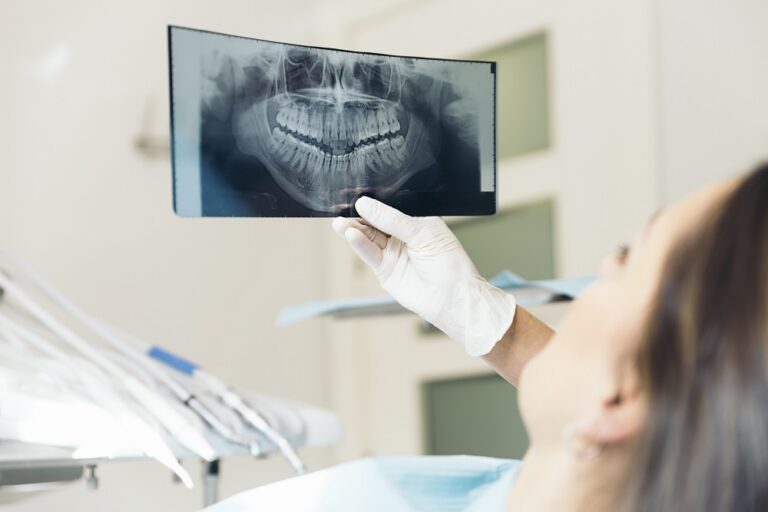
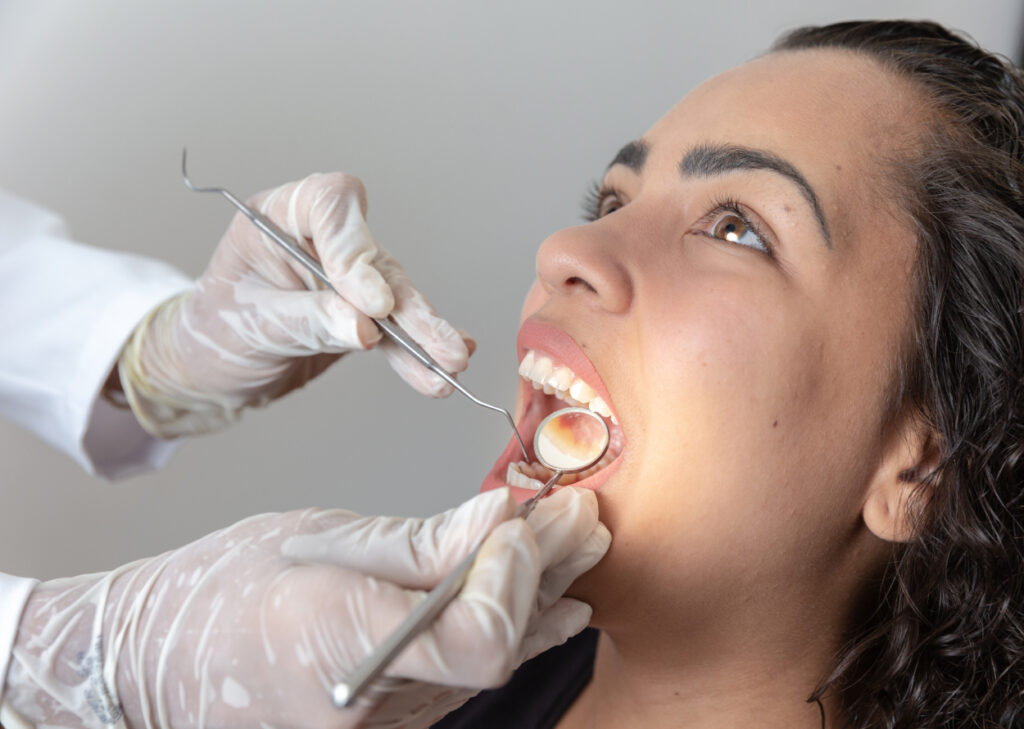
Periodontal treatment does not end when the deep cleaning is finished, the surgery is completed, or the gums start looking less inflamed in the mirror. That moment is closer to the middle of care than the end of it. The real measure of success comes later, when the tissues stabilize, the bacterial burden stays under control, and the patient keeps the teeth comfortably and functionally for years.
This is the part many people underestimate. A patient can be diligent during the active phase of care, show up for scaling and root planing, take medications correctly, even tolerate surgery well, then drift away once things feel better. From a clinical standpoint, that gap is where avoidable setbacks often begin. Periodontal disease is usually chronic, sometimes quiet, and often very good at returning without dramatic early symptoms. Follow-up care is what catches small changes before they become expensive, painful, or irreversible.
Patients often ask a fair question: if the gums no longer bleed much, and chewing feels normal, why keep coming back so often? The answer is simple. Periodontal treatment reduces infection and inflammation, but it does not erase a person’s underlying susceptibility. The bacteria can re-establish themselves. Pockets can deepen again. Bite forces can shift. Home care habits can weaken over time, even in motivated people. Follow-up visits are how we monitor all of that in a structured, evidence-based way.
Healing is not the same as being cured
One of the biggest misunderstandings in periodontal care is the belief that symptom relief equals disease resolution. Bleeding may decrease within days or weeks after treatment. Swelling can settle. Breath may improve. Those are encouraging signs, but they do not tell the whole story.
Healthy gum tissue needs time to reattach as much as it can, tighten around the teeth, and mature after inflammation has been reduced. If periodontal surgery was involved, there may also be healing of flaps, sutured areas, graft sites, or bone contours that needs close observation. During this period, the mouth can look good on the surface while still requiring careful professional monitoring underneath the gumline.
A common example is the patient who says, “It feels fine now, so I figured I was done.” At the next visit, the tissue may indeed look calmer, but measurements around the teeth still show several areas that need attention. In practice, this is not rare. Periodontal disease often improves in visible ways before it becomes truly stable in measurable ways.
That distinction matters because untreated residual pockets can continue to harbor pathogenic bacteria. They may not hurt. They may not bleed every day. Yet over months, they can contribute to attachment loss, bone loss, and eventual tooth mobility. Follow-up care bridges the gap between initial improvement and long-term control.
What clinicians are looking for after periodontal treatment
A follow-up visit is not just a quick glance and a reminder to floss more. Done properly, it is a focused reassessment. The goal is to determine whether the treatment is working as intended and whether the current maintenance strategy is enough.
At these visits, the dental team typically evaluates several key areas:
- Gum inflammation, including bleeding, swelling, and tissue tone
- Pocket depths and areas where bacteria may still collect below the gumline
- Plaque control at home, including technique, not just effort
- Tooth mobility, bite trauma, and changes in chewing patterns
- Healing at surgical or previously infected sites
Those findings shape the next decision. Sometimes the answer is reassuring: continue maintenance, stay on schedule, keep doing what you are doing. Sometimes the answer is more nuanced. A patient may need localized retreatment in one area, a modified hygiene routine, a new cleaning interval, or referral to a periodontist if the case is progressing despite care.
This is where professional judgment matters. Not every four millimeter pocket is an emergency, and not every bleeding point means failure. The context matters. Is the patient diabetic, and if so, how well controlled? Do they smoke? Was there furcation involvement on molars from the beginning? Are they grinding at night? Has access for cleaning improved since restorative work was done, or worsened because of a bulky crown margin? Follow-up care gives clinicians the chance to interpret these factors over time rather than react to a single snapshot.
Periodontal disease tends to relapse quietly
People are often more familiar with decay than gum disease. A cavity eventually produces sensitivity or pain if it gets bad enough. Periodontal breakdown is different. It can move slowly and remain surprisingly silent until teeth feel loose, spaces appear, or an abscess develops.
That quiet relapse is one reason maintenance visits after periodontal treatment are so valuable. At recall appointments, clinicians compare current findings with prior charting. Small shifts become visible. A site that was previously stable at three millimeters may now measure five with bleeding. A molar that had slight furcation involvement may collect more plaque than before. A patient who used to keep plaque levels low may be struggling after a shoulder injury, a new medication that causes dry mouth, or a change in work schedule.
In real practice, many relapses are not due to neglect in the simplistic sense. Life gets in the way. Someone starts caring for an aging parent. Another patient goes through orthodontic treatment and has trouble cleaning around attachments. A person with excellent habits develops arthritis and can no longer manipulate floss the same way. Follow-up care is where those realities are recognized and adapted to, not judged.
The maintenance interval is not arbitrary
After active Periodontal Treatment, many patients are placed on periodontal maintenance every three to four months rather than the traditional six-month cleaning schedule. This sometimes feels excessive to patients who have spent years hearing that twice a year is the standard. For periodontally healthy mouths, six months may be perfectly reasonable. For patients with a history of attachment loss, deeper pockets, bone changes, or ongoing risk factors, it often is not enough.
The shorter interval exists for practical biological reasons. Bacterial communities beneath the gums can mature and become more pathogenic over time. A patient with a history of periodontal breakdown usually benefits from disrupting that cycle before inflammation becomes established again. In addition, regular maintenance creates repeated opportunities to reinforce home care, monitor vulnerable sites, and adjust treatment plans while changes are still manageable.
That interval is not fixed forever. Some patients eventually demonstrate excellent long-term stability and can be considered for a longer interval in selected cases. Others need to stay at three months because every attempt to stretch to four or six leads to increased bleeding, pocketing, or plaque accumulation. The right schedule is individualized, based on history and response, not convenience alone.
Home care becomes more important after treatment, not less
There is a moment after successful periodontal therapy when patients feel a sense of relief. That is understandable. Their mouth is more comfortable. Their gums are less tender. Eating is easier. Breath is better. Yet this is exactly when discipline at home matters most.
Once inflammation decreases, daily plaque disruption becomes more effective because the tissues are less swollen and painful. A toothbrush can reach more accurately. Interdental brushes or floss can be used with better control. This is the ideal time to build a routine that supports the professional treatment that has already been done.
What that routine looks like depends on the mouth. A person with tight contacts and minimal recession may do well with floss and a power brush. Someone with black triangles, furcation involvement, or bridgework may need interdental brushes, a water flosser, or end-tuft brushes. A patient with dexterity limitations may need larger handles or powered devices. The point is not to prescribe the same script to everyone. The point is to make daily care realistic enough to be sustained.
One of the most useful moments in follow-up appointments is watching the patient clean rather than only asking whether they clean. People often believe they are brushing thoroughly when they are skimming over the gumline. Others floss but snap through the contact without wiping the tooth surface. These are teachable issues, and minor technique adjustments can change outcomes substantially.
Risk factors do not disappear when treatment ends
Successful follow-up care always includes a fresh look at risk. Periodontal disease is not just a bacterial story. It is also about host response, systemic health, habits, and anatomy.
Smoking remains one of the strongest complicating factors in periodontal stability. Smokers can show less obvious bleeding despite ongoing disease activity, which can create a false sense of security. Diabetes, especially when poorly controlled, can impair healing and increase susceptibility to recurrent inflammation. Stress, sleep disruption, certain medications, and dry mouth can also influence the periodontal environment in ways that are clinically meaningful.
Then there are local factors. Overhanging restorations, open contacts that trap food, poorly contoured crowns, crowded teeth, and bite overload can all undermine otherwise good treatment results. Follow-up visits are when these issues are identified and addressed. Sometimes what looks like “recurrent gum disease” is partly a restorative or occlusal problem that needs a coordinated solution.
A memorable pattern seen in practice is the patient who does almost everything right but continues to show breakdown around one or two back teeth. On closer evaluation, those teeth may have deep root grooves, furcation involvement, or heavy clenching forces. That is not a failure of effort. It is a sign that maintenance must be tailored to the biology and mechanics of the case.
Surgical cases need especially careful surveillance
For patients who undergo flap surgery, grafting, regenerative procedures, or extractions related to advanced periodontal disease, follow-up is even more critical. Early healing needs to be observed for tissue closure, infection, flap adaptation, and patient comfort. Later healing needs to be assessed for pocket reduction, root coverage stability where relevant, and whether the site remains cleansable.
Patients sometimes assume that because surgery is more definitive than a non-surgical deep cleaning, it offers a permanent fix. In reality, surgery can create better conditions for stability, but it still depends on maintenance. A beautifully treated graft can be compromised by plaque retention. A regenerated defect can still fail over time if the patient disappears from care. A flap procedure may reduce pocket depth significantly, but without ongoing maintenance, deeper areas can return.
This is not meant to sound grim. It is simply the nature of periodontal disease management. The goal is long-term control, and control requires observation.
Restorative and implant planning depend on stable gums
Follow-up care after Periodontal Treatment has another role that patients do not always appreciate. It protects the success of future dentistry. Crowns, bridges, implants, and even cosmetic work perform better when the periodontal foundation is healthy and stable.
If the gumline is still changing, restorative margins may become exposed or difficult to clean. If inflammation remains active, impressions and digital scans may not reflect a stable tissue position. If tooth mobility is progressing, a planned crown may not solve the actual problem. When clinicians insist on periodontal stability before moving ahead with elective restorative treatment, they are not delaying care for no reason. They are trying to avoid building on an unreliable base.
Implants deserve special mention here. A patient who has lost teeth to periodontal disease may assume implants are immune to the same issues. They are not. Implants do not get cavities, but the tissues around them can become inflamed, and bone loss can occur around implants as well. Patients with a history of periodontitis usually need especially attentive maintenance if implants are placed. Follow-up care is what protects that investment.
What patients should report between visits
Most periodontal maintenance happens on a schedule, but some situations should prompt an earlier call. Waiting until the next recall is not always wise if symptoms change.
Patients should contact the dental office sooner if they notice:
- Persistent bleeding from one area during routine brushing or flossing
- Swelling, a pimple on the gums, or a bad taste that keeps returning
- Increasing tooth looseness or a bite that suddenly feels off
- Pain when chewing that lasts more than a day or two
- Recession or a newly visible space that seems to be getting larger
These signs do not always mean major disease progression, but they deserve evaluation. A localized abscess, a cracked tooth, trapped food under the gumline, or trauma from the bite can all mimic or worsen periodontal problems. The sooner that distinction is made, the easier the management usually is.
Follow-up also supports patient motivation
There is a human side to this that matters just as much as probing depths. Long-term periodontal care can feel repetitive. Patients hear similar reminders, perform the same cleaning routines, and return for maintenance visits that are not always comfortable or exciting. Without reinforcement, motivation naturally fades.
Good follow-up care helps patients see progress and stay engaged. When a clinician can say, “This site used to bleed every time, and now it does not,” or “These pockets were six millimeters last year and are now holding at three to four,” that matters. It gives the patient a reason to continue the work. The same is true when a problem is caught early. It is far easier to accept a localized retreatment recommendation than to face the loss of a tooth that might have been saved.
In my experience, the best maintenance relationships are collaborative. Patients do better when they understand not only what to do, but why it matters in their specific mouth. Generic advice rarely changes behavior. Specific feedback does.
The cost of skipping follow-up is rarely immediate, but often cumulative
One reason some https://www.showmelocal.com/profile.aspx?bid=23447913 patients delay maintenance is that the consequences are not always immediate. Miss one recall, and nothing dramatic may happen. Miss several over a year or two, and the story can change. Bleeding increases. Deposits accumulate in areas the patient cannot reach. Pockets deepen gradually. By the time the problem feels obvious, the treatment needed is usually more extensive than the maintenance that was postponed.
There is also a financial reality here. Periodontal maintenance appointments may feel like an ongoing cost, but they are usually far less costly than retreatment, surgery, extraction, grafting, or replacing a lost tooth. This is not a scare tactic. It is the practical arithmetic of preventive care. Protecting a stable result is generally less burdensome than rebuilding after relapse.
That trade-off becomes even sharper when a patient has complex restorative work. Losing a tooth that anchors a bridge, supports a partial denture, or sits next to an implant can trigger a chain of additional treatment needs. Follow-up visits help reduce the chance of that cascade.
A stable result is built over years, not one appointment
The most successful periodontal outcomes are rarely dramatic in the short term. They are quiet successes. The patient keeps the teeth. The gums remain comfortable. Bone levels hold. Chewing stays functional. The mouth stops being a source of constant concern. That kind of success is built through repeated maintenance, careful monitoring, and small course corrections made at the right time.
Periodontal disease management is less like fixing a broken appliance and more like managing blood pressure or joint health. Treatment creates a turning point, but follow-up sustains the benefit. It is where clinical skill, patient habits, and time come together.
For patients, that means viewing follow-up care not as an optional extra after Periodontal Treatment, but as part of the treatment itself. For clinicians, it means resisting the temptation to reduce maintenance to routine polishing and generic advice. These visits carry real diagnostic and preventive value. They preserve the gains already made, protect future dental work, and often make the difference between temporary improvement and lasting stability.
When periodontal treatment works well, the result should feel almost uneventful over time. Teeth remain serviceable. Gums stay calm. Problems are caught early or prevented altogether. That is what follow-up care is for, and why it deserves the same seriousness as the treatment that came before it.
Avra Dental
Address: 1708 S Victoria Ave B, Ventura, CA 93003
Phone number: (805) 941-1001
FAQ About Periodontal Treatment
Can a dentist get rid of periodontal disease?
A dentist or gum specialist (periodontist) cannot fully cure or reverse advanced periodontal disease (periodontitis), but they can successfully stop its progression and manage the infection.
Is periodontitis very serious?
Yes, periodontitis is a very serious, advanced form of gum disease that destroys the bone and tissues supporting your teeth.
How is stage 2 periodontal disease treated?
Stage 2 periodontal disease (early to moderate periodontitis) is primarily treated with non-surgical deep cleaning procedures like scaling and root planing to remove bacteria and tartar below the gumline.